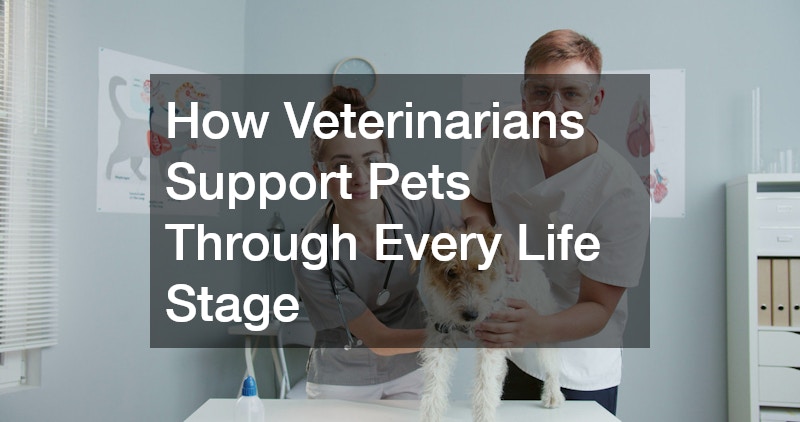
Pets are more than companions. They are part of the family, sharing daily routines, milestones, and emotional connections that grow stronger over time. Just like people, pets experience different physical, emotional, and medical needs as they move from youth to adulthood and eventually into their senior years. Understanding how professional care evolves alongside these changes can help owners feel prepared rather than overwhelmed when new challenges arise. Supporting a pet through every life stage is not about reacting to problems when they appear. It is about planning ahead, recognizing subtle changes, and building habits that promote long-term wellness. From early developmental guidance to managing chronic conditions and navigating difficult decisions later in life, informed pet owners are better equipped to provide comfort, stability, and quality care.
Establishing Strong Care Habits During Early Development

The earliest months of a pet’s life are critical for long-term health and behavior. During this stage, guidance from a trusted veterinarian helps owners build routines that support growth while preventing avoidable issues later. Young pets benefit from structured care plans that focus on both physical and emotional development. Early visits often address vaccinations, nutrition, and socialization, but they also teach owners how to read behavior cues and spot potential problems.
Helpful steps during early development include:
- Creating consistent feeding and sleep schedules
- Introducing gentle handling to reduce stress during exams
- Learning safe ways to clean ears, trim nails, and brush coats
- Asking questions about breed-specific risks
Building positive experiences early helps pets remain calm and cooperative as they grow. These habits also strengthen trust, making future care easier and less stressful for everyone involved.
Choosing Ongoing Preventive Support as Pets Mature
As pets move out of their early years, maintaining wellness becomes the primary goal. Establishing a long-term relationship with reliable veterinary clinics gives owners access to preventive services that help catch small issues before they become major concerns. Routine checkups during adulthood allow professionals to track subtle changes over time. Weight fluctuations, dental health, and mobility are often easier to manage when addressed early.
Owners can support preventive care by:
- Scheduling regular wellness exams even when pets seem healthy
- Keeping records of vaccinations and medications
- Monitoring appetite, energy levels, and coat condition
- Discussing lifestyle changes, such as new diets or activity routines
Preventive planning reduces the likelihood of emergency care and contributes to a longer, healthier life.
Maintaining Oral Health to Prevent Long-Term Issues
Oral hygiene plays a much larger role in overall wellness than many owners realize. Poor dental health can contribute to pain, infections, and organ strain if left unmanaged. Learning the basics of pet dental care helps owners protect their pet’s comfort and longevity. Daily or weekly maintenance can dramatically reduce plaque buildup and related complications. While professional cleanings are important, at-home routines make the biggest difference.
Practical oral care tips include:
- Introducing tooth brushing gradually using pet-safe products
- Offering dental chews approved for safety
- Watching for signs such as bad breath or reluctance to eat
- Scheduling evaluations when gum redness or swelling appears
Consistent dental care supports better digestion, comfort, and overall vitality.
Recognizing When Advanced Medical Support Is Needed
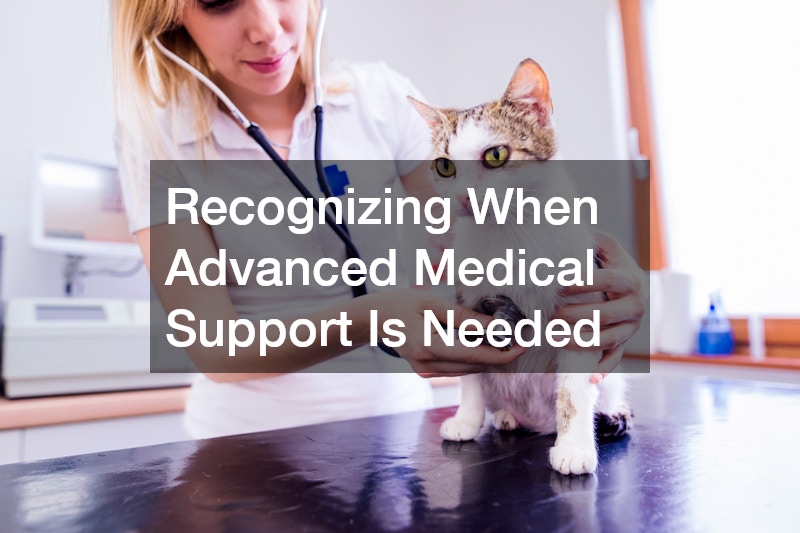
There may come a time when a pet requires more specialized attention than routine visits can provide. An animal hospital is often equipped to handle complex diagnostics, emergency situations, and advanced treatments that require specialized equipment or staffing. Understanding when to seek advanced care helps owners act quickly during critical moments.
Situations that often require advanced support include:
- Severe vomiting or diarrhea lasting more than a day
- Injuries from accidents or falls
- Sudden lethargy or collapse
- Uncontrolled bleeding or seizures
Knowing where to go and what to expect can reduce panic and improve outcomes during emergencies.
Preparing for Procedures With Confidence and Care
Medical procedures can feel overwhelming, but understanding the process helps owners feel more in control. When pet surgery is recommended, clear communication and preparation make a significant difference in recovery and comfort. Owners should take time to understand why a procedure is needed, what recovery involves, and how to support healing at home.
Important preparation steps include:
- Following fasting and medication instructions precisely
- Creating a quiet recovery space at home
- Monitoring incision sites and behavior changes
- Attending follow-up appointments as recommended
With proper preparation and aftercare, many pets recover quickly and return to normal routines.
The financial cost of surgery can be a major concern for pet owners, especially when procedures are unexpected. Prices vary widely depending on the type of surgery, the pet’s size and age, the complexity of the procedure, and the level of aftercare required. Routine surgeries such as spaying or neutering are generally more affordable, while emergency or specialized procedures can be significantly more expensive. Costs often include pre-surgical exams, anesthesia, monitoring, medications, and follow-up visits, which can add up quickly.
Because surgery expenses can place a strain on a household budget, many owners find it helpful to ask for detailed estimates upfront and discuss all available options. Some clinics offer payment plans, third-party financing, or pet insurance guidance to help manage costs. Planning ahead by setting aside emergency funds or exploring insurance coverage can reduce financial stress and allow owners to focus on their pet’s recovery rather than the bill.
Supporting Recovery and Ongoing Medical Needs
Post-treatment care often continues beyond the initial procedure or diagnosis. A vet hospital provides resources for ongoing monitoring, rehabilitation, and medication management when long-term support is required. Recovery is not always linear, and pets may experience good and bad days.
Ways to support recovery include:
- Administering medications on schedule
- Keeping activity restrictions consistent
- Tracking appetite, mobility, and mood
- Communicating changes promptly
Patience and consistency during this stage help ensure the best possible outcome.
Balancing Travel and Routine Care Responsibilities

Life does not stop when pets need care. Travel, work demands, or family obligations can make it challenging to maintain routines. Planning for dog boarding ensures pets remain safe, comfortable, and cared for during absences.
Key factors to evaluate include:
- Staff experience and supervision levels
- Cleanliness and ventilation
- Feeding and exercise routines
- Emergency protocols
Proper planning allows owners to travel with peace of mind while maintaining consistency for their pets.
Dog walkers and cat sitters provide a convenient solution for pet owners who need help managing daily care while balancing work, travel, or busy schedules. These services typically involve scheduled visits to feed pets, provide exercise, clean litter boxes, and offer companionship while owners are away. Many professionals are insured and experienced with different temperaments, which helps build trust over time. Pet owners often appreciate the flexibility and personalized care, especially since pets can stay in their familiar home environment rather than being relocated. While some people are hesitant at first about allowing someone into their home, positive reviews and recommendations tend to ease concerns. Overall, dog walkers and cat sitters are widely viewed as reliable and convenient options that reduce stress for both pets and owners.
Maintaining a Clean Home Environment for Pet Health
Clean living spaces support both human and pet health. Allergens, fur, and accidents can build up over time, especially in multi-pet households. Using rug washing services helps reduce odors, bacteria, and allergens that can affect sensitive pets.
Home hygiene tips include:
- Washing pet bedding frequently
- Vacuuming high-traffic areas consistently
- Addressing accidents promptly
- Rotating washable rugs when possible
A cleaner environment supports better respiratory health and overall comfort.
Keeping your home clean plays a major role in protecting your pet’s health and comfort. Pets spend a lot of time on the floor, furniture, and bedding, which means dirt, hair, allergens, and bacteria can quickly build up if cleaning routines are inconsistent. Regular vacuuming, washing pet bedding, and wiping down high-traffic areas help reduce shedding, odors, and the spread of germs. Cleaning food and water bowls daily also prevents bacterial growth that can lead to digestive issues.
Maintaining a clean home is especially important for pets with allergies, respiratory sensitivities, or mobility issues. Dust, mold, and pet dander can worsen breathing problems and cause skin irritation. Fleas and other pests are also more likely to thrive in cluttered or dirty environments, putting both pets and people at risk.
When homes are not kept clean, pets may face serious consequences. Poor hygiene can lead to infections, increased allergy symptoms, and stress caused by unpleasant odors or uncomfortable living spaces. Accidents that are not cleaned properly may encourage repeat behavior and damage flooring. Over time, neglecting cleanliness can reduce a pet’s quality of life and increase veterinary costs. Consistent cleaning habits create a healthier, safer environment where pets can thrive.
Finding Reliable Support Close to Home
Convenience matters when it comes to ongoing care. Searching for veterinarians near me allows owners to build local support systems that make appointments, follow-ups, and emergencies easier to manage.
When choosing local support, consider:
- Proximity and availability
- Communication style and responsiveness
- Emergency referral options
- Reviews and recommendations
Accessible care reduces stress and helps owners stay consistent with appointments.
Convenience matters when it comes to ongoing care. Searching for veterinarians near me allows owners to build local support systems that make appointments, follow-ups, and emergencies easier to manage.
When choosing local support, consider:
- Proximity and availability
- Communication style and responsiveness
- Emergency referral options
- Reviews and recommendations
Beyond location, a good provider should feel like a partner in your pet’s long-term care. Clear communication is one of the most important factors. You should feel comfortable asking questions and confident that answers are explained in a way you can understand, without being rushed or dismissed. Staff members should be willing to walk you through treatment options, costs, and next steps so you can make informed decisions.
It is also helpful to observe how the practice operates during a visit. Clean, organized spaces, calm handling of animals, and respectful interactions with clients are strong indicators of professionalism. Pay attention to how pets are treated during exams and whether staff take time to reduce stress, especially for anxious animals.
When meeting a new provider, consider asking questions such as:
- How do you handle after-hours or emergencies?
- What preventive care do you recommend for my pet’s age and breed?
- How are treatment plans and costs communicated before procedures?
- Who will I contact if I have concerns between visits?
These conversations can reveal a lot about expectations, transparency, and overall care philosophy. Choosing the right local support helps ensure consistency, trust, and peace of mind as your pet’s needs evolve.
Navigating End-of-Life Decisions With Compassion

Facing the end of a pet’s life is one of the most emotionally challenging parts of pet ownership. During this time, a pet euthanasia service can help ensure that a pet’s final moments are peaceful, pain-free, and handled with dignity. These services are designed to prioritize comfort while also supporting families through an incredibly difficult decision.
Understanding the process ahead of time can ease anxiety. Many services walk pet owners through what to expect, including how pain is managed and how loved ones can be present if they choose. Some families prefer a calm, familiar setting, while others feel more comfortable in a clinical environment. Knowing your options allows you to make a choice that aligns with your values and your pet’s needs.
Considerations during this stage include:
- Quality-of-life assessments
- Pain management options
- In-home versus clinical settings
- Emotional support for family members
Compassionate care honors the bond shared and prioritizes comfort above all else.
After a pet passes, families often consider cremation as part of their goodbye. Common options include:
- Private cremation, where ashes are returned to the family
- Communal cremation, where remains are respectfully handled but not returned
- Memorial keepsakes such as urns, paw prints, or engraved items
Taking time to discuss these choices in advance can reduce stress and allow families to focus on honoring the bond they shared. Compassionate end-of-life care is about providing comfort, respect, and support during a moment that truly matters.
Caring for a pet through every life stage is a journey shaped by love, responsibility, and thoughtful decision-making. Each phase brings its own rewards and challenges, from establishing early routines to adapting care as needs change over time. When owners stay informed and proactive, they are better prepared to recognize concerns early, support recovery effectively, and provide comfort during difficult moments.
Long-term pet care is not about perfection. It is about consistency, communication, and choosing support that aligns with a pet’s unique needs. By building strong habits, maintaining clean and supportive environments, and planning for both everyday and unexpected situations, owners can create a life that prioritizes well-being and trust. With the right approach, pets can experience comfort, dignity, and quality care throughout every chapter of their lives.