Highland Cattle, with their charmingly shaggy coats and graceful horns, have been captivating livestock enthusiasts for centuries. Recently, a more diminutive version of these iconic animals, known as the miniature Highland cow, has gained popularity among beginners looking to add a unique breed to their farms. In this guide, we’ll cover everything you need to know about these adorable creatures, from their origins to their daily care requirements.
Origin and History of the Miniature Highland Cow
The miniature Highland cow traces its roots back to the rugged landscapes of Scotland, where the larger Highland cattle have thrived for centuries. These cattle were initially bred by selecting smaller individuals within herds to create a manageable size, ideal for smaller farms. This selective breeding ensures that miniature Highland cows maintain the hardiness and rugged beauty of their ancestors but in a more compact form.
Miniature Highland cows were first bred intentionally as a way to allow more people the opportunity to keep these iconic animals, even in limited spaces. They retain the distinctive long horns and fluffy coats, which not only appeal aesthetically but also provide practical insulation against harsh weather. Enthusiasts appreciate their lineage, seeing miniature Highland cows as a way to preserve the breed’s history while making it accessible to a wider range of keepers.
The popularity of miniature Highland cows has increased significantly in various countries, owing to their manageable size and endearing appearance. They serve both ornamental and practical purposes, with many kept as pets or as part of small, sustainable farms. For those new to livestock keeping, the miniature Highland cow offers an approachable option, bridging traditional cattle farming with modern, small-scale agricultural practices.
Physical Characteristics and Behavior
Miniature Highland cows are immediately recognizable by their thick, often ginger-colored coats and long, sweeping horns. Unlike their larger counterparts, these petite bovines are easier to handle due to their size, generally standing around three to four feet tall at the shoulder. Their coats consist of a downy underlayer for warmth, appropriate given their origins in the cold Scottish Highlands.
Their coats come in a variety of colors, including dun, brindle, red, and black, besides the more common ginger. This diversity adds to their charm, making each cow a unique addition to any herd or farm. Despite their appearance, miniature Highland cows are known for their docile and gentle nature, making them ideal for families and novice farmers alike.
When it comes to personality, these cows are known for being quite social and curious, often forming strong bonds with their human caretakers. They thrive in situations where they can have regular interaction and attention; otherwise, like many herd animals, they can become lonely. Their sociable nature makes them a delightful fixture in petting zoos and educational farms, where they quickly become a favorite due to their friendly demeanor.
Care for a Miniature Highland Cow
Care for a miniature Highland cow is relatively straightforward but requires a commitment to maintaining their well-being. These cows need a balanced diet primarily consisting of good-quality hay, supplemented with grains or commercial cattle feed as needed. Ensuring proper nutrition is vital to prevent health issues and keep them in top condition.
Regular veterinary care is necessary to monitor for common cattle diseases and ensure vaccinations are up-to-date. Miniature Highland cows are generally hardy, but regular check-ups help catch potential problems early. Additionally, their thick coats require occasional grooming, especially during the shedding seasons, to keep them looking their best and prevent matting.
Access to clean water and plenty of grazing space is essential for their happiness and health. Ideally, they should have shelter from the elements, although their dense coats provide some natural protection. Many farmers find their miniature Highland cows enjoy open spaces where they can roam, as this imitates their natural habitat and provides ample opportunity for exercise and exploration.
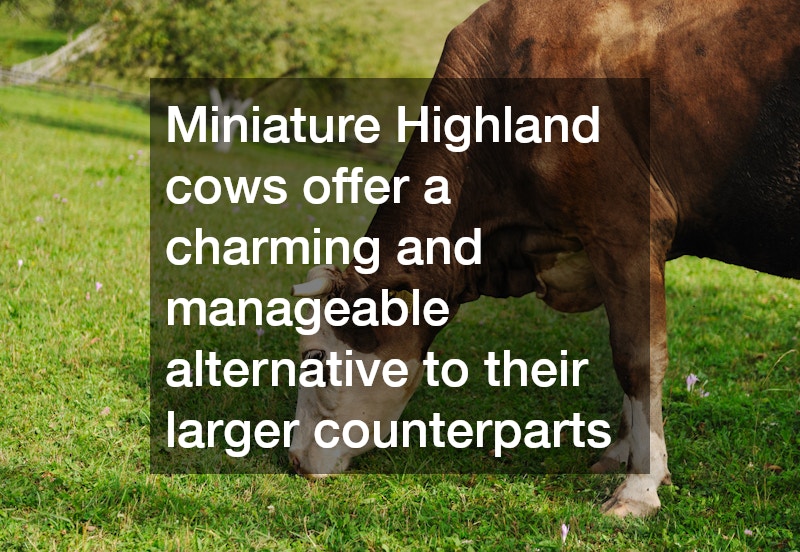
Miniature Highland cows offer a charming and manageable alternative to their larger counterparts, making them an excellent option for beginner farmers and animal enthusiasts. With their rich history, distinctive appearance, and gentle temperament, they provide both aesthetic and practical benefits. By understanding their origins, characteristics, and care needs, anyone can successfully raise these delightful animals on their farm.
Whether you’re looking to diversify your livestock or bring a piece of the Scottish Highlands into your backyard, the miniature Highland cow stands out as an enchanting choice. By committing to proper care and appreciating their unique traits, you can enjoy the rewarding experience of raising these beautiful creatures. Your miniature Highland cow journey promises to be filled with learning and joy, as you welcome these historical and stunning animals into your life.