Bringing a new pet into your home is one of the most exciting and joyful moments in life. Whether you are adopting a playful puppy, a quiet older cat, or any other companion, those first few weeks are filled with sweet cuddles, funny habits, and unforgettable memories. It is easy to get caught up in the pure fun of buying toys, picking out cute food bowls, and choosing the perfect name.
However, as the initial excitement settles into a daily routine, the true reality of pet parenting begins to unfold. Keeping an animal healthy, happy, and safe through every stage of their life requires much more than just affection and a bag of kibble. It takes a complete system of professional care. The best time to look for a medical professional, a behavioral specialist, or an emergency plan is long before you actually need one. Trying to research your options during a sudden crisis leads to high stress and rushed choices that might not be best for your family.
By building a reliable network of local resources early on, you can protect yourself from unexpected surprises. You will save precious time and money, and most importantly, you will give your companion the best possible quality of life. This detailed guide will walk you through the essential healthcare, lifestyle, safety, and behavioral resources that every smart owner should keep close at hand.
Finding the Right Healthcare Partner for Routine Wellness
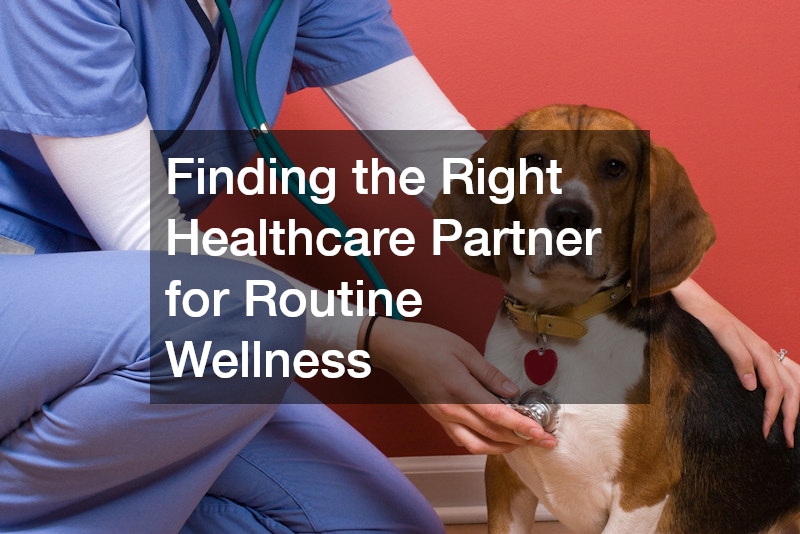
The most critical relationship you will build as a pet owner is with your primary medical provider. Just like humans need a family doctor to manage their checkups, catch illnesses early, and track growth, your animal needs a consistent medical advocate. Establishing a strong baseline of preventative care is the best way to ensure your companion lives a long, active life by your side.
When you start your search, do not just pick the closest office without doing some research. Talk to neighbors, read detailed online reviews, and look for a local vet who treats patients with genuine patience and clear communication. Your primary doctor is the person who will handle the yearly physicals, administer essential vaccinations, run basic blood panels, and keep a careful history of your animal’s weight and dental health. Having a provider who truly understands your companion’s normal baseline makes it much easier to spot subtle changes that might point to a hidden health issue.
Beyond finding the right doctor, you also need to evaluate the physical space where your companion will receive care. Take the time to schedule an initial tour or a basic meet-and-greet appointment at a neighborhood vet clinic to check things out in person. A great facility should feel clean, bright, and highly organized. Pay attention to how the staff handles animals in the waiting room, and check if they have separate waiting zones for dogs and cats to help reduce the intense anxiety that many animals feel when visiting the doctor.
To make the most of your routine wellness visits, try implementing these helpful habits:
- Bring a fresh stool sample to your animal’s yearly checkup so the laboratory can screen for hidden internal parasites.
- Write down a complete list of any unusual behaviors, changes in appetite, or sleep disruptions you have noticed over the past few months.
- Ask your doctor for specific advice on serving sizes and nutritional needs, as obesity is a leading cause of joint pain and diabetes in older animals.
Navigating Specialized Medical Centers and Common Ailments
As you build your animal’s healthcare network, you will quickly notice that medical facilities come in many different shapes and sizes. Some offices are tiny, single-doctor practices, while others are massive corporate spaces. Understanding the differences between these business styles allows you to choose the exact level of diagnostic care and advanced technology that fits your budget and lifestyle.
For owners who want access to a broad team of experts and advanced equipment under one roof, it can be highly beneficial to work with larger animal clinics in your region. These expanded facilities frequently employ multiple doctors with different areas of interest, and they usually house advanced technology like digital X-ray machines, ultrasound equipment, and modern dental surgical suites. Having these tools directly on-site means your companion can receive fast diagnostics and minor surgeries without you having to drive across town to a specialty hospital.
One of the most common reasons owners visit these advanced medical centers is to treat chronic, ongoing physical discomfort. Dogs and cats are incredibly prone to developing painful pet skin problems, which can be triggered by seasonal environmental allergies, flea bites, or specific food sensitivities. These conditions often manifest as non-stop scratching, raw hot spots, or frequent ear infections. Managing these issues requires deep dermatological knowledge, regular medicated baths, custom diets, and sometimes prescription allergy medications to restore your companion’s comfort.
Keep a close eye out for these subtle warning signs that your animal might be suffering from a hidden underlying health complication:
- Excessive licking, chewing, or biting at the paws, base of the tail, or inner thighs until the hair falls out.
- Frequent, aggressive shaking of the head or rubbing the ears against the floor or furniture usually points to a painful ear infection.
- A sudden, unusual change in coat texture, such as extreme dryness, excessive greasiness, or heavy dandruff flaking across the back.
Preparing for Unexpected Accidents and Enhancing Home Safety

No matter how careful and protective you are, accidents can happen in the blink of an eye. A gate left unlatched, a dropped piece of chocolate on the kitchen floor, or a sudden scuffle at the local park can transform a normal, peaceful afternoon into a frantic emergency. Part of being a responsible owner is mapping out your immediate action steps for a crisis long before a dangerous situation ever takes place.
The most important step in your emergency plan is identifying a fully staffed, 24-hour emergency vet hospital in your area. Regular clinics usually close their doors in the evening and on weekends, meaning you need a backup hospital that is open through the night, on holidays, and on Sundays. Drive to this location once during the day just to learn the exact route, check out the parking situation, and save their phone number directly into your contacts so you can call them while you are on your way during a midnight panic.
While knowing where to go for emergency medical care is vital, modifying your physical property to prevent accidents from happening in the first place is even better. If you have a house with a yard, securing the perimeter is a major priority to keep your companion from escaping into traffic. Hiring a licensed, professional fence contractor to design and install a secure barrier is one of the smartest investments you can make. A sturdy structure will keep your companion safely contained while blocking stray animals or wild predators from entering your property.
To create a truly secure environment for your companion at home, consider checking off these critical preventative safety measures:
- Put childproof locks on all lower kitchen and bathroom cabinets that hold toxic cleaning chemicals, laundry pods, or human medications.
- Walk your fence line once a month to look for any loose boards, rusted wires, or holes where your animal might have started digging an escape tunnel.
- Research every single houseplant and outdoor flower on your property, as common plants like lilies, sago palms, and azaleas are highly toxic to dogs and cats.
Managing Daily Hygiene and Socialization Needs

Keeping a pet happy takes more than just medical care and safety barriers. Animals need regular physical maintenance and plenty of mental stimulation to stay healthy and balanced. If a companion is left alone for long hours with nothing to do, they can easily develop severe boredom, separation anxiety, and destructive habits like chewing up your favorite shoes or scratching up your wood doors.
Maintaining your companion’s physical hygiene involves keeping up with regular coat and nail care. While you can handle basic brushing at home, utilizing professional grooming services on a regular basis provides massive health benefits. A skilled professional does much more than just wash and trim fur. They are trained to safely clip sharp nails to protect your animal’s joints, clean sensitive ears to stop infections, and thoroughly check the skin for hidden lumps, ticks, or painful mats that can cut off air circulation.
To address your companion’s social and behavioral needs during long workdays, look into local activity programs. Enrolling your dog in a high-quality pet daycare can transform their behavior at home. These structured centers provide a safe environment where your dog can run around, play with other animals, and burn off excess energy under the constant supervision of trained handlers. Returning home with a tired, relaxed dog means you can both enjoy a quiet, peaceful evening together.
When evaluating a potential play center or care facility for your companion, always ask the management these key screening questions:
- What is the exact staff-to-animal ratio in the play groups to ensure the handlers can safely control the energy of the pack?
- Do they require proof of up-to-date vaccinations, including rabies, distemper, and bordetella, for every single animal entering the building?
- How do they separate the animals during play hours, and do they have distinct zones for large dogs, small dogs, and senior pets?
Arranging Safe Care During Travel or Addressing Complex Behaviors

There will likely come a time when you need to travel for a family vacation, a business trip, or an unexpected emergency where you cannot bring your companion along. Finding a safe, reliable place for your animal to stay while you are away is essential to preserving your peace of mind. Additionally, some owners face deep behavioral challenges that require professional intervention to keep everyone safe.
If you do not have close friends or relatives available to watch your animal, you should research overnight lodging facilities. Touring a modern, professional dog boarding kennel will show you how comfortable temporary care can be. Look for facilities that feature climate-controlled indoor sleeping areas, secure outdoor exercise yards, and strict protocols for tracking medications and food portions. A great kennel will often provide digital updates or webcam access so you can check on your companion from anywhere in the world.
Sometimes, basic training at home is not enough to fix severe behavioral issues like extreme resource guarding, barrier frustration, or aggressive leash reactivity. When dangerous habits create constant stress in your household, it is time to look into intensive, professional behavior modifications. Investing in a structured board and training program can provide the deep intervention your companion needs. In these programs, your animal stays overnight at a professional facility for a few weeks, receiving constant daily guidance, boundaries, and socialization from certified trainers.
To ensure a successful experience with advanced behavioral or lodging services, keep these practical tips in mind:
- Pack your companion’s regular everyday food in pre-measured bags to prevent sudden stomach upset or diarrhea caused by a fast change in diet.
- Bring a familiar blanket or a worn t-shirt that smells like you to place inside their sleeping area to provide comfort and reduce homesickness.
- Schedule a short, single-day trial stay at the facility before booking a long, two-week vacation to see how well your companion adapts to the new environment.
Conclusion
Building a complete network of professional care is the single best way to set yourself up for a lifetime of successful pet ownership. No one should have to navigate the complex journey of medical choices, behavioral issues, and daily care logistics entirely on their own. By connecting with a trusted primary doctor, setting up emergency care plans, modifying your home for safety, and utilizing professional trainers and caretakers, you can handle any situation with total confidence.
Do not wait for a major complication or an unexpected accident to start gathering your resources. Take a proactive step today by creating a dedicated emergency folder for your home. Print out a clear list containing the phone numbers and physical addresses of your regular clinic, the local emergency hospital, and your preferred boarding facilities. Keep this document stored in a central location where babysitters or housesitters can locate it instantly, ensuring your beloved companion is always protected, cherished, and cared for, no matter what the future holds.