Pets can’t tell us when they’re overwhelmed, but their behavior often speaks volumes through pacing, chewing, hiding, or sudden changes in appetite. Stress and anxiety in cats and dogs aren’t limited to fireworks season or a single scary vet visit; they can build quietly throughout the year from routine disruptions, environmental changes, or an unstable home life. The good news is that with the right awareness and a few practical adjustments, most pet owners can significantly reduce their animal’s baseline anxiety. This guide walks through the everyday factors that affect pet wellbeing and offers realistic steps you can take starting today.
Spotting the Early Signs of Stress in Your Pet
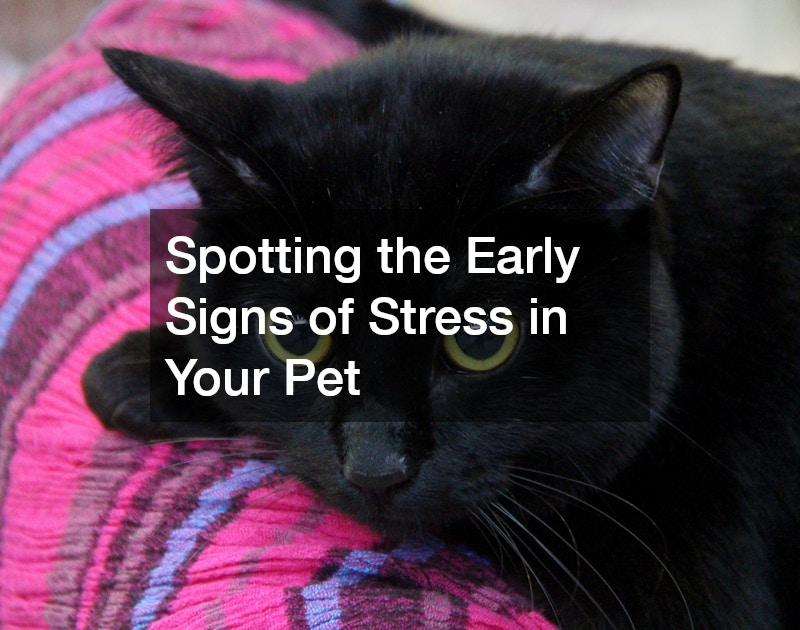
Before you can address anxiety, you need to recognize what it looks like in your specific animal. Dogs might pant excessively without physical exertion, tuck their tails, or become suddenly clingy, while cats often hide, overgroom, or stop using the litter box properly. These behaviors are frequently dismissed as quirks rather than signals, which delays intervention. Paying attention early protects not just your pet’s comfort but their long-term mental health, since chronic stress can contribute to digestive issues, immune suppression, and behavioral problems that worsen over time.
Tracking patterns is one of the most useful things a pet owner can do. Keep a simple log of when symptoms appear, what preceded them, and how long they lasted, since this can reveal triggers you might otherwise miss.
- Excessive licking, chewing, or grooming in one spot
- Loss of appetite or sudden overeating
- Increased vocalization, whining, or yowling
- Restlessness, pacing, or inability to settle
- Avoidance of family members or favorite spaces
Building a Predictable Daily Routine
Animals thrive on predictability, and an inconsistent schedule is one of the most common hidden sources of anxiety. Feeding, walks, and playtime at roughly the same times each day give pets a sense of control over their environment, which lowers baseline stress considerably. When a dog or cat can reasonably predict when the next meal or outing is coming, they spend less mental energy on vigilance and more time relaxed.
This doesn’t mean your life needs to run on a rigid timetable. A consistent morning and evening anchor—say, breakfast around 7 a.m. and dinner around 6 p.m., with a walk shortly after each—is often enough to create a reliable rhythm, even if exact minutes shift by half an hour here or there.
Beyond meals and walks, consider building in consistent quiet time, grooming sessions, and a predictable bedtime routine, since these smaller rituals reinforce the same sense of security. Pets often pick up on sequence as much as timing, so keeping the order of activities similar—leash on, potty break, breakfast—can be just as calming as the clock itself.
Sudden schedule disruptions, like a change in work hours or travel, are easier on your pet if you introduce them gradually over several days rather than all at once. Even loose consistency helps your pet anticipate what comes next, giving them a stable framework to feel secure within, no matter what changes around them.
Building a predictable daily routine goes beyond feeding and walking schedules—it also includes structured learning, which plays a bigger role in emotional regulation than most owners realize. Enrolling a dog in a dog training school isn’t just about obedience commands; it teaches confidence-building skills, exposes them to controlled new experiences, and gives them mental exercises that tire out an anxious brain in healthy ways. A typical eight-week course, for example, can introduce a dog to new environments, unfamiliar people, and other animals in small, manageable doses rather than overwhelming bursts.
This gradual exposure matters because dogs generalize confidence from one context to another. A dog that learns to stay calm around new dogs at a training facility often carries that composure into vet visits, car rides, or busy sidewalks. Trainers can also tailor sessions to address specific triggers, such as loud noises or crowded spaces, using positive reinforcement to reshape the dog’s emotional response over time.
Dogs who understand what’s expected of them in various situations tend to react with far less panic when faced with the unexpected. Consistent cues—like a reliable “sit” or “stay” command—give them a predictable script to fall back on during moments of uncertainty, whether that’s a thunderstorm, a houseguest, or a trip to the groomer. Even 10 to 15 minutes of daily practice reinforces this sense of structure, helping anxious dogs feel more secure long after formal training sessions end.
Creating a Calm and Clean Home Surface
The physical surfaces your pet walks, sleeps, and plays on affect their comfort more than most people consider. Slippery or overly hard flooring can create physical discomfort and even mild fear in older pets or those with joint issues, which translates into avoidance behaviors and general unease. If you’re noticing your dog hesitating to cross certain rooms, it may be worth consulting a flooring company about non-slip, pet-friendly materials that offer better traction and easier cleaning.
The right flooring choice also supports a calmer household overall, since scratching, sliding, and falling incidents are stressful for both pets and the people watching them happen. Cork, textured vinyl, and certain laminates are popular options because they balance durability with paw-friendly grip. Making this kind of change is a long-term investment in your pet’s daily comfort, not just an aesthetic decision.
Encouraging Healthy Socialization
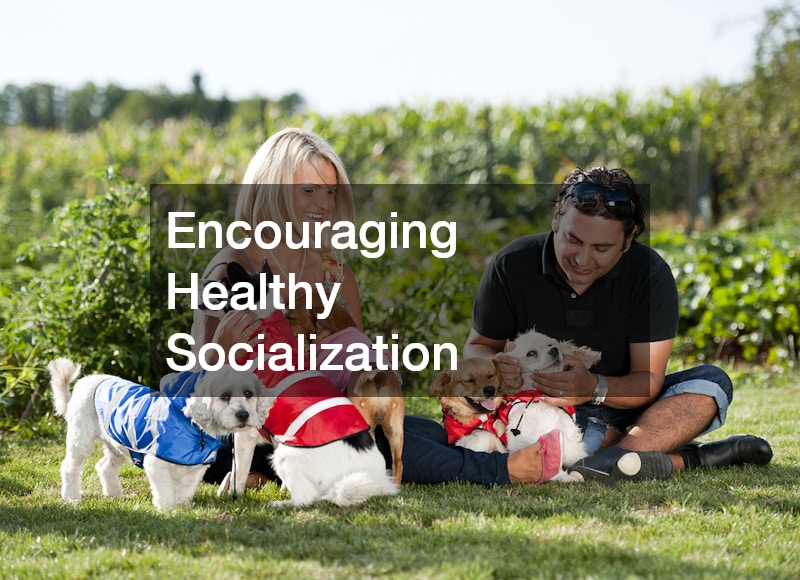
Isolation and boredom are major contributors to anxiety, particularly in high-energy breeds or social animals left alone for long stretches. Regular interaction with other animals and people helps pets build resilience and reduces the intensity of their stress responses in new situations. For working owners or those with unpredictable schedules, dog daycares offer a structured way to provide this socialization without requiring you to rearrange your entire day.
Quality daycare environments do more than just tire pets out physically; they provide supervised exposure to different personalities, noises, and play styles that build emotional flexibility. This is especially valuable for younger dogs still forming their social habits, as well as rescue animals working through past trauma. Choosing a facility with small group sizes and attentive staff makes the experience genuinely beneficial rather than just another source of overstimulation.
Managing Outdoor Cleanliness for a Calmer Yard
A cluttered or unsanitary yard can actually contribute to a pet’s stress level, particularly for dogs sensitive to smell or those who dislike stepping in soiled areas. Regular waste removal keeps the yard inviting rather than something your dog avoids or reacts anxiously toward. Many households now rely on professional dog poop scoopers to maintain consistent cleanliness, especially in multi-pet homes where waste accumulates quickly, and manual upkeep becomes overwhelming.
Beyond hygiene, a clean yard reduces the risk of parasites and illness, which indirectly supports emotional wellbeing since sick pets are almost always more anxious pets. A tidy outdoor space also makes it easier for you to spend relaxed, unhurried time outside with your pet, which itself is a powerful stress reducer for both of you.
Handling Indoor Accidents Without Adding Tension
Anxious pets are more prone to accidents indoors, and how you respond to these incidents matters almost as much as the cleanup itself. Punishment-based reactions increase fear and can actually worsen the underlying anxiety causing the behavior, sometimes leading to more frequent accidents as pets become anxious about being caught rather than learning appropriate habits. Yelling, rubbing a pet’s nose in the mess, or using a stern tone all send the message that you are unpredictable, which erodes trust over time.
Instead, focus on quick, thorough cleaning that removes both the stain and the scent trail, since lingering odors often encourage pets to return to the same spot. Enzymatic cleaners work far better than standard soap or ammonia-based products, which can actually mimic the scent of urine and reinforce the behavior. Blot up fresh messes first, then apply the enzymatic solution and let it sit for the time recommended on the label, usually 10 to 15 minutes, before rinsing.
If accidents become frequent or start happening in new locations, consider whether a medical issue, a schedule change, or a specific stressor might be contributing, and mention the pattern to your veterinarian if it continues for more than a week or two.
Indoor accidents are stressful enough without worrying that the smell will linger and become a recurring problem. Professional pet spot and odor removal services use enzymatic treatments that break down organic material far more effectively than typical household cleaners, which matters because pets can detect residual scent long after it’s invisible to humans. A pet’s nose is estimated to be tens of thousands of times more sensitive than ours, so a spot that looks and smells clean to you may still be sending a strong signal that “this is the bathroom” to your dog or cat, prompting them to return to the same spot again.
The type of surface matters too. Hard flooring is relatively straightforward to treat, but accidents on rugs or carpets pose a bigger challenge because urine and odor-causing bacteria can seep deep into the fibers, padding, and even the subfloor beneath. Similar enzymatic principles apply here, and many owners find that rug cleaning services help fully eliminate embedded odors that DIY methods, spray bottles, and surface scrubbing simply miss.
Addressing this properly does double duty: it protects your furnishings from staining and lingering odor while also removing a potential trigger for repeated anxious or inappropriate elimination behavior. Left untreated, these spots can become a source of ongoing tension between you and your pet, turning a one-time accident into a recurring source of frustration for both of you.
Upgrading Your Home Environment for Comfort
The physical spaces pets spend the most time in should feel secure and comfortable, not chaotic or overstimulating. Worn-out furniture with frayed edges or unstable structure can actually startle pets who jump up expecting solid footing, while faded or damaged fabric may hold onto old stains and odors that create low-level stress. Rather than replacing everything, many homeowners turn to local furniture reupholstery to restore beloved pieces into sturdier, more pet-friendly versions with washable, durable fabric.
Outside the home matters too, particularly for pets who spend time in yards, patios, or entryways. Cracked walkways, unstable fencing, or poor lighting can all contribute to a pet feeling unsafe outdoors, especially at dusk or during storms. Investing in exterior home improvements such as secure fencing, even pathways, and better outdoor lighting creates a more predictable environment that reduces hesitation and fear-based reactions when your pet is outside.
Leaning on Support and Building a Care Team
Managing a pet’s emotional wellbeing isn’t something every owner has to do entirely alone, and recognizing when to bring in help is a sign of good pet parenting, not failure. Veterinarians, behaviorists, groomers, and pet sitters all play a role in creating a stable, low-stress life for your animal. Reliable caregivers who understand your pet’s specific triggers and routines can maintain consistency even when you’re traveling or unavailable, which prevents the disruption that often sparks anxious episodes.
Building this kind of network takes some upfront effort but pays off significantly over time. Introduce new caregivers gradually, share detailed notes about your pet’s habits and fears, and check in regularly to ensure the care being provided matches your pet’s needs. A well-coordinated support system means your pet experiences fewer jarring transitions throughout the year.
Navigating Seasonal and Situational Stress Triggers
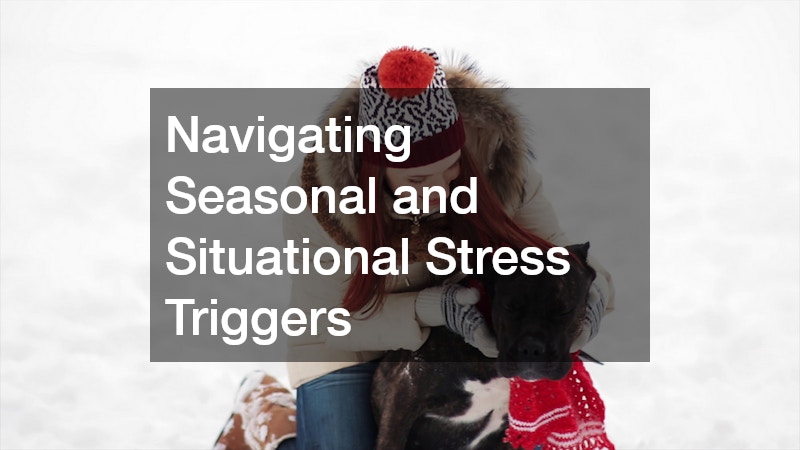
Certain times of year bring predictable spikes in pet anxiety, from summer thunderstorms and fireworks to winter holiday gatherings full of unfamiliar guests. Anticipating these periods rather than reacting to them in the moment gives you the chance to prepare calming strategies in advance. Simple tools like white noise machines, pressure wraps, or a designated quiet room can make a significant difference during high-stress windows.
- Create a safe retreat space stocked with familiar bedding and toys
- Gradually desensitize pets to loud noises using recorded sound at low volume
- Maintain feeding and walk schedules even during busy holiday periods
- Ask guests to give pets space rather than forcing interaction
- Consult your vet about short-term calming aids before major known stressors
Reducing stress and anxiety in your pet isn’t about a single fix but a collection of small, consistent choices made throughout the year. From daily routines and socialization to the physical spaces your pet lives in, every adjustment adds up to a calmer, more secure animal. Start by identifying which area feels most relevant to your household right now, whether that’s cleanliness, home comfort, or building a stronger support network, and take one practical step this week. Your pet’s wellbeing will reflect the steady, thoughtful care you put in.
Pets can’t tell us when they’re overwhelmed, but their behavior often speaks volumes through pacing, chewing, hiding, or sudden changes in appetite. Stress and anxiety in cats and dogs aren’t limited to fireworks season or a single scary vet visit; they can build quietly throughout the year from routine disruptions, environmental changes, or an unstable home life. The good news is that with the right awareness and a few practical adjustments, most pet owners can significantly reduce their animal’s baseline anxiety. This guide walks through the everyday factors that affect pet wellbeing and offers realistic steps you can take starting today.
Spotting the Early Signs of Stress in Your Pet
Before you can address anxiety, you need to recognize what it looks like in your specific animal. Dogs might pant excessively without physical exertion, tuck their tails, or become suddenly clingy, while cats often hide, overgroom, or stop using the litter box properly. These behaviors are frequently dismissed as quirks rather than signals, which delays intervention. Paying attention early protects not just your pet’s comfort but their long-term mental health, since chronic stress can contribute to digestive issues, immune suppression, and behavioral problems that worsen over time.
Tracking patterns is one of the most useful things a pet owner can do. Keep a simple log of when symptoms appear, what preceded them, and how long they lasted, since this can reveal triggers you might otherwise miss.
- Excessive licking, chewing, or grooming in one spot
- Loss of appetite or sudden overeating
- Increased vocalization, whining, or yowling
- Restlessness, pacing, or inability to settle
- Avoidance of family members or favorite spaces
Building a Predictable Daily Routine
Animals thrive on predictability, and an inconsistent schedule is one of the most common hidden sources of anxiety. Feeding, walks, and playtime at roughly the same times each day give pets a sense of control over their environment, which lowers baseline stress considerably. When a dog or cat can reasonably predict when the next meal or outing is coming, they spend less mental energy on vigilance and more time relaxed.
This doesn’t mean your life needs to run on a rigid timetable. A consistent morning and evening anchor—say, breakfast around 7 a.m. and dinner around 6 p.m., with a walk shortly after each—is often enough to create a reliable rhythm, even if exact minutes shift by half an hour here or there.
Beyond meals and walks, consider building in consistent quiet time, grooming sessions, and a predictable bedtime routine, since these smaller rituals reinforce the same sense of security. Pets often pick up on sequence as much as timing, so keeping the order of activities similar—leash on, potty break, breakfast—can be just as calming as the clock itself.
Sudden schedule disruptions, like a change in work hours or travel, are easier on your pet if you introduce them gradually over several days rather than all at once. Even loose consistency helps your pet anticipate what comes next, giving them a stable framework to feel secure within, no matter what changes around them.
Building a predictable daily routine goes beyond feeding and walking schedules—it also includes structured learning, which plays a bigger role in emotional regulation than most owners realize. Enrolling a dog in a dog training school isn’t just about obedience commands; it teaches confidence-building skills, exposes them to controlled new experiences, and gives them mental exercises that tire out an anxious brain in healthy ways. A typical eight-week course, for example, can introduce a dog to new environments, unfamiliar people, and other animals in small, manageable doses rather than overwhelming bursts.
This gradual exposure matters because dogs generalize confidence from one context to another. A dog that learns to stay calm around new dogs at a training facility often carries that composure into vet visits, car rides, or busy sidewalks. Trainers can also tailor sessions to address specific triggers, such as loud noises or crowded spaces, using positive reinforcement to reshape the dog’s emotional response over time.
Dogs who understand what’s expected of them in various situations tend to react with far less panic when faced with the unexpected. Consistent cues—like a reliable “sit” or “stay” command—give them a predictable script to fall back on during moments of uncertainty, whether that’s a thunderstorm, a houseguest, or a trip to the groomer. Even 10 to 15 minutes of daily practice reinforces this sense of structure, helping anxious dogs feel more secure long after formal training sessions end.
Creating a Calm and Clean Home Surface
The physical surfaces your pet walks, sleeps, and plays on affect their comfort more than most people consider. Slippery or overly hard flooring can create physical discomfort and even mild fear in older pets or those with joint issues, which translates into avoidance behaviors and general unease. If you’re noticing your dog hesitating to cross certain rooms, it may be worth consulting a flooring company about non-slip, pet-friendly materials that offer better traction and easier cleaning.
The right flooring choice also supports a calmer household overall, since scratching, sliding, and falling incidents are stressful for both pets and the people watching them happen. Cork, textured vinyl, and certain laminates are popular options because they balance durability with paw-friendly grip. Making this kind of change is a long-term investment in your pet’s daily comfort, not just an aesthetic decision.
Encouraging Healthy Socialization
Isolation and boredom are major contributors to anxiety, particularly in high-energy breeds or social animals left alone for long stretches. Regular interaction with other animals and people helps pets build resilience and reduces the intensity of their stress responses in new situations. For working owners or those with unpredictable schedules, dog daycares offer a structured way to provide this socialization without requiring you to rearrange your entire day.
Quality daycare environments do more than just tire pets out physically; they provide supervised exposure to different personalities, noises, and play styles that build emotional flexibility. This is especially valuable for younger dogs still forming their social habits, as well as rescue animals working through past trauma. Choosing a facility with small group sizes and attentive staff makes the experience genuinely beneficial rather than just another source of overstimulation.
Managing Outdoor Cleanliness for a Calmer Yard
A cluttered or unsanitary yard can actually contribute to a pet’s stress level, particularly for dogs sensitive to smell or those who dislike stepping in soiled areas. Regular waste removal keeps the yard inviting rather than something your dog avoids or reacts anxiously toward. Many households now rely on professional dog poop scoopers to maintain consistent cleanliness, especially in multi-pet homes where waste accumulates quickly, and manual upkeep becomes overwhelming.
Beyond hygiene, a clean yard reduces the risk of parasites and illness, which indirectly supports emotional wellbeing since sick pets are almost always more anxious pets. A tidy outdoor space also makes it easier for you to spend relaxed, unhurried time outside with your pet, which itself is a powerful stress reducer for both of you.
Handling Indoor Accidents Without Adding Tension
Anxious pets are more prone to accidents indoors, and how you respond to these incidents matters almost as much as the cleanup itself. Punishment-based reactions increase fear and can actually worsen the underlying anxiety causing the behavior, sometimes leading to more frequent accidents as pets become anxious about being caught rather than learning appropriate habits. Yelling, rubbing a pet’s nose in the mess, or using a stern tone all send the message that you are unpredictable, which erodes trust over time.
Instead, focus on quick, thorough cleaning that removes both the stain and the scent trail, since lingering odors often encourage pets to return to the same spot. Enzymatic cleaners work far better than standard soap or ammonia-based products, which can actually mimic the scent of urine and reinforce the behavior. Blot up fresh messes first, then apply the enzymatic solution and let it sit for the time recommended on the label, usually 10 to 15 minutes, before rinsing.
If accidents become frequent or start happening in new locations, consider whether a medical issue, a schedule change, or a specific stressor might be contributing, and mention the pattern to your veterinarian if it continues for more than a week or two.
Indoor accidents are stressful enough without worrying that the smell will linger and become a recurring problem. Professional pet spot and odor removal services use enzymatic treatments that break down organic material far more effectively than typical household cleaners, which matters because pets can detect residual scent long after it’s invisible to humans. A pet’s nose is estimated to be tens of thousands of times more sensitive than ours, so a spot that looks and smells clean to you may still be sending a strong signal that “this is the bathroom” to your dog or cat, prompting them to return to the same spot again.
The type of surface matters too. Hard flooring is relatively straightforward to treat, but accidents on rugs or carpets pose a bigger challenge because urine and odor-causing bacteria can seep deep into the fibers, padding, and even the subfloor beneath. Similar enzymatic principles apply here, and many owners find that rug cleaning services help fully eliminate embedded odors that DIY methods, spray bottles, and surface scrubbing simply miss.
Addressing this properly does double duty: it protects your furnishings from staining and lingering odor while also removing a potential trigger for repeated anxious or inappropriate elimination behavior. Left untreated, these spots can become a source of ongoing tension between you and your pet, turning a one-time accident into a recurring source of frustration for both of you.
Upgrading Your Home Environment for Comfort
The physical spaces pets spend the most time in should feel secure and comfortable, not chaotic or overstimulating. Worn-out furniture with frayed edges or unstable structure can actually startle pets who jump up expecting solid footing, while faded or damaged fabric may hold onto old stains and odors that create low-level stress. Rather than replacing everything, many homeowners turn to local furniture reupholstery to restore beloved pieces into sturdier, more pet-friendly versions with washable, durable fabric.
Outside the home matters too, particularly for pets who spend time in yards, patios, or entryways. Cracked walkways, unstable fencing, or poor lighting can all contribute to a pet feeling unsafe outdoors, especially at dusk or during storms. Investing in exterior home improvements such as secure fencing, even pathways, and better outdoor lighting creates a more predictable environment that reduces hesitation and fear-based reactions when your pet is outside.
Leaning on Support and Building a Care Team
Managing a pet’s emotional wellbeing isn’t something every owner has to do entirely alone, and recognizing when to bring in help is a sign of good pet parenting, not failure. Veterinarians, behaviorists, groomers, and pet sitters all play a role in creating a stable, low-stress life for your animal. Reliable caregivers who understand your pet’s specific triggers and routines can maintain consistency even when you’re traveling or unavailable, which prevents the disruption that often sparks anxious episodes.
Building this kind of network takes some upfront effort but pays off significantly over time. Introduce new caregivers gradually, share detailed notes about your pet’s habits and fears, and check in regularly to ensure the care being provided matches your pet’s needs. A well-coordinated support system means your pet experiences fewer jarring transitions throughout the year.
Navigating Seasonal and Situational Stress Triggers
Certain times of year bring predictable spikes in pet anxiety, from summer thunderstorms and fireworks to winter holiday gatherings full of unfamiliar guests. Anticipating these periods rather than reacting to them in the moment gives you the chance to prepare calming strategies in advance. Simple tools like white noise machines, pressure wraps, or a designated quiet room can make a significant difference during high-stress windows.
- Create a safe retreat space stocked with familiar bedding and toys
- Gradually desensitize pets to loud noises using recorded sound at low volume
- Maintain feeding and walk schedules even during busy holiday periods
- Ask guests to give pets space rather than forcing interaction
- Consult your vet about short-term calming aids before major known stressors
Reducing stress and anxiety in your pet isn’t about a single fix but a collection of small, consistent choices made throughout the year. From daily routines and socialization to the physical spaces your pet lives in, every adjustment adds up to a calmer, more secure animal. Start by identifying which area feels most relevant to your household right now, whether that’s cleanliness, home comfort, or building a stronger support network, and take one practical step this week. Your pet’s wellbeing will reflect the steady, thoughtful care you put in.
Pets can’t tell us when they’re overwhelmed, but their behavior often speaks volumes through pacing, chewing, hiding, or sudden changes in appetite. Stress and anxiety in cats and dogs aren’t limited to fireworks season or a single scary vet visit; they can build quietly throughout the year from routine disruptions, environmental changes, or an unstable home life. The good news is that with the right awareness and a few practical adjustments, most pet owners can significantly reduce their animal’s baseline anxiety. This guide walks through the everyday factors that affect pet wellbeing and offers realistic steps you can take starting today.
Spotting the Early Signs of Stress in Your Pet
Before you can address anxiety, you need to recognize what it looks like in your specific animal. Dogs might pant excessively without physical exertion, tuck their tails, or become suddenly clingy, while cats often hide, overgroom, or stop using the litter box properly. These behaviors are frequently dismissed as quirks rather than signals, which delays intervention. Paying attention early protects not just your pet’s comfort but their long-term mental health, since chronic stress can contribute to digestive issues, immune suppression, and behavioral problems that worsen over time.
Tracking patterns is one of the most useful things a pet owner can do. Keep a simple log of when symptoms appear, what preceded them, and how long they lasted, since this can reveal triggers you might otherwise miss.
- Excessive licking, chewing, or grooming in one spot
- Loss of appetite or sudden overeating
- Increased vocalization, whining, or yowling
- Restlessness, pacing, or inability to settle
- Avoidance of family members or favorite spaces
Building a Predictable Daily Routine
Animals thrive on predictability, and an inconsistent schedule is one of the most common hidden sources of anxiety. Feeding, walks, and playtime at roughly the same times each day give pets a sense of control over their environment, which lowers baseline stress considerably. When a dog or cat can reasonably predict when the next meal or outing is coming, they spend less mental energy on vigilance and more time relaxed.
This doesn’t mean your life needs to run on a rigid timetable. A consistent morning and evening anchor—say, breakfast around 7 a.m. and dinner around 6 p.m., with a walk shortly after each—is often enough to create a reliable rhythm, even if exact minutes shift by half an hour here or there.
Beyond meals and walks, consider building in consistent quiet time, grooming sessions, and a predictable bedtime routine, since these smaller rituals reinforce the same sense of security. Pets often pick up on sequence as much as timing, so keeping the order of activities similar—leash on, potty break, breakfast—can be just as calming as the clock itself.
Sudden schedule disruptions, like a change in work hours or travel, are easier on your pet if you introduce them gradually over several days rather than all at once. Even loose consistency helps your pet anticipate what comes next, giving them a stable framework to feel secure within, no matter what changes around them.
Building a predictable daily routine goes beyond feeding and walking schedules—it also includes structured learning, which plays a bigger role in emotional regulation than most owners realize. Enrolling a dog in a dog training school isn’t just about obedience commands; it teaches confidence-building skills, exposes them to controlled new experiences, and gives them mental exercises that tire out an anxious brain in healthy ways. A typical eight-week course, for example, can introduce a dog to new environments, unfamiliar people, and other animals in small, manageable doses rather than overwhelming bursts.
This gradual exposure matters because dogs generalize confidence from one context to another. A dog that learns to stay calm around new dogs at a training facility often carries that composure into vet visits, car rides, or busy sidewalks. Trainers can also tailor sessions to address specific triggers, such as loud noises or crowded spaces, using positive reinforcement to reshape the dog’s emotional response over time.
Dogs who understand what’s expected of them in various situations tend to react with far less panic when faced with the unexpected. Consistent cues—like a reliable “sit” or “stay” command—give them a predictable script to fall back on during moments of uncertainty, whether that’s a thunderstorm, a houseguest, or a trip to the groomer. Even 10 to 15 minutes of daily practice reinforces this sense of structure, helping anxious dogs feel more secure long after formal training sessions end.
Creating a Calm and Clean Home Surface
The physical surfaces your pet walks, sleeps, and plays on affect their comfort more than most people consider. Slippery or overly hard flooring can create physical discomfort and even mild fear in older pets or those with joint issues, which translates into avoidance behaviors and general unease. If you’re noticing your dog hesitating to cross certain rooms, it may be worth consulting a flooring company about non-slip, pet-friendly materials that offer better traction and easier cleaning.
The right flooring choice also supports a calmer household overall, since scratching, sliding, and falling incidents are stressful for both pets and the people watching them happen. Cork, textured vinyl, and certain laminates are popular options because they balance durability with paw-friendly grip. Making this kind of change is a long-term investment in your pet’s daily comfort, not just an aesthetic decision.
Encouraging Healthy Socialization
Isolation and boredom are major contributors to anxiety, particularly in high-energy breeds or social animals left alone for long stretches. Regular interaction with other animals and people helps pets build resilience and reduces the intensity of their stress responses in new situations. For working owners or those with unpredictable schedules, dog daycares offer a structured way to provide this socialization without requiring you to rearrange your entire day.
Quality daycare environments do more than just tire pets out physically; they provide supervised exposure to different personalities, noises, and play styles that build emotional flexibility. This is especially valuable for younger dogs still forming their social habits, as well as rescue animals working through past trauma. Choosing a facility with small group sizes and attentive staff makes the experience genuinely beneficial rather than just another source of overstimulation.
Managing Outdoor Cleanliness for a Calmer Yard
A cluttered or unsanitary yard can actually contribute to a pet’s stress level, particularly for dogs sensitive to smell or those who dislike stepping in soiled areas. Regular waste removal keeps the yard inviting rather than something your dog avoids or reacts anxiously toward. Many households now rely on professional dog poop scoopers to maintain consistent cleanliness, especially in multi-pet homes where waste accumulates quickly, and manual upkeep becomes overwhelming.
Beyond hygiene, a clean yard reduces the risk of parasites and illness, which indirectly supports emotional wellbeing since sick pets are almost always more anxious pets. A tidy outdoor space also makes it easier for you to spend relaxed, unhurried time outside with your pet, which itself is a powerful stress reducer for both of you.
Handling Indoor Accidents Without Adding Tension
Anxious pets are more prone to accidents indoors, and how you respond to these incidents matters almost as much as the cleanup itself. Punishment-based reactions increase fear and can actually worsen the underlying anxiety causing the behavior, sometimes leading to more frequent accidents as pets become anxious about being caught rather than learning appropriate habits. Yelling, rubbing a pet’s nose in the mess, or using a stern tone all send the message that you are unpredictable, which erodes trust over time.
Instead, focus on quick, thorough cleaning that removes both the stain and the scent trail, since lingering odors often encourage pets to return to the same spot. Enzymatic cleaners work far better than standard soap or ammonia-based products, which can actually mimic the scent of urine and reinforce the behavior. Blot up fresh messes first, then apply the enzymatic solution and let it sit for the time recommended on the label, usually 10 to 15 minutes, before rinsing.
If accidents become frequent or start happening in new locations, consider whether a medical issue, a schedule change, or a specific stressor might be contributing, and mention the pattern to your veterinarian if it continues for more than a week or two.
Indoor accidents are stressful enough without worrying that the smell will linger and become a recurring problem. Professional pet spot and odor removal services use enzymatic treatments that break down organic material far more effectively than typical household cleaners, which matters because pets can detect residual scent long after it’s invisible to humans. A pet’s nose is estimated to be tens of thousands of times more sensitive than ours, so a spot that looks and smells clean to you may still be sending a strong signal that “this is the bathroom” to your dog or cat, prompting them to return to the same spot again.
The type of surface matters too. Hard flooring is relatively straightforward to treat, but accidents on rugs or carpets pose a bigger challenge because urine and odor-causing bacteria can seep deep into the fibers, padding, and even the subfloor beneath. Similar enzymatic principles apply here, and many owners find that rug cleaning services help fully eliminate embedded odors that DIY methods, spray bottles, and surface scrubbing simply miss.
Addressing this properly does double duty: it protects your furnishings from staining and lingering odor while also removing a potential trigger for repeated anxious or inappropriate elimination behavior. Left untreated, these spots can become a source of ongoing tension between you and your pet, turning a one-time accident into a recurring source of frustration for both of you.
Upgrading Your Home Environment for Comfort
The physical spaces pets spend the most time in should feel secure and comfortable, not chaotic or overstimulating. Worn-out furniture with frayed edges or unstable structure can actually startle pets who jump up expecting solid footing, while faded or damaged fabric may hold onto old stains and odors that create low-level stress. Rather than replacing everything, many homeowners turn to local furniture reupholstery to restore beloved pieces into sturdier, more pet-friendly versions with washable, durable fabric.
Outside the home matters too, particularly for pets who spend time in yards, patios, or entryways. Cracked walkways, unstable fencing, or poor lighting can all contribute to a pet feeling unsafe outdoors, especially at dusk or during storms. Investing in exterior home improvements such as secure fencing, even pathways, and better outdoor lighting creates a more predictable environment that reduces hesitation and fear-based reactions when your pet is outside.
Leaning on Support and Building a Care Team
Managing a pet’s emotional wellbeing isn’t something every owner has to do entirely alone, and recognizing when to bring in help is a sign of good pet parenting, not failure. Veterinarians, behaviorists, groomers, and pet sitters all play a role in creating a stable, low-stress life for your animal. Reliable caregivers who understand your pet’s specific triggers and routines can maintain consistency even when you’re traveling or unavailable, which prevents the disruption that often sparks anxious episodes.
Building this kind of network takes some upfront effort but pays off significantly over time. Introduce new caregivers gradually, share detailed notes about your pet’s habits and fears, and check in regularly to ensure the care being provided matches your pet’s needs. A well-coordinated support system means your pet experiences fewer jarring transitions throughout the year.
Navigating Seasonal and Situational Stress Triggers
Certain times of year bring predictable spikes in pet anxiety, from summer thunderstorms and fireworks to winter holiday gatherings full of unfamiliar guests. Anticipating these periods rather than reacting to them in the moment gives you the chance to prepare calming strategies in advance. Simple tools like white noise machines, pressure wraps, or a designated quiet room can make a significant difference during high-stress windows.
- Create a safe retreat space stocked with familiar bedding and toys
- Gradually desensitize pets to loud noises using recorded sound at low volume
- Maintain feeding and walk schedules even during busy holiday periods
- Ask guests to give pets space rather than forcing interaction
- Consult your vet about short-term calming aids before major known stressors
Reducing stress and anxiety in your pet isn’t about a single fix but a collection of small, consistent choices made throughout the year. From daily routines and socialization to the physical spaces your pet lives in, every adjustment adds up to a calmer, more secure animal. Start by identifying which area feels most relevant to your household right now, whether that’s cleanliness, home comfort, or building a stronger support network, and take one practical step this week. Your pet’s wellbeing will reflect the steady, thoughtful care you put in.
Pets can’t tell us when they’re overwhelmed, but their behavior often speaks volumes through pacing, chewing, hiding, or sudden changes in appetite. Stress and anxiety in cats and dogs aren’t limited to fireworks season or a single scary vet visit; they can build quietly throughout the year from routine disruptions, environmental changes, or an unstable home life. The good news is that with the right awareness and a few practical adjustments, most pet owners can significantly reduce their animal’s baseline anxiety. This guide walks through the everyday factors that affect pet wellbeing and offers realistic steps you can take starting today.
Spotting the Early Signs of Stress in Your Pet
Before you can address anxiety, you need to recognize what it looks like in your specific animal. Dogs might pant excessively without physical exertion, tuck their tails, or become suddenly clingy, while cats often hide, overgroom, or stop using the litter box properly. These behaviors are frequently dismissed as quirks rather than signals, which delays intervention. Paying attention early protects not just your pet’s comfort but their long-term mental health, since chronic stress can contribute to digestive issues, immune suppression, and behavioral problems that worsen over time.
Tracking patterns is one of the most useful things a pet owner can do. Keep a simple log of when symptoms appear, what preceded them, and how long they lasted, since this can reveal triggers you might otherwise miss.
- Excessive licking, chewing, or grooming in one spot
- Loss of appetite or sudden overeating
- Increased vocalization, whining, or yowling
- Restlessness, pacing, or inability to settle
- Avoidance of family members or favorite spaces
Building a Predictable Daily Routine
Animals thrive on predictability, and an inconsistent schedule is one of the most common hidden sources of anxiety. Feeding, walks, and playtime at roughly the same times each day give pets a sense of control over their environment, which lowers baseline stress considerably. When a dog or cat can reasonably predict when the next meal or outing is coming, they spend less mental energy on vigilance and more time relaxed.
This doesn’t mean your life needs to run on a rigid timetable. A consistent morning and evening anchor—say, breakfast around 7 a.m. and dinner around 6 p.m., with a walk shortly after each—is often enough to create a reliable rhythm, even if exact minutes shift by half an hour here or there.
Beyond meals and walks, consider building in consistent quiet time, grooming sessions, and a predictable bedtime routine, since these smaller rituals reinforce the same sense of security. Pets often pick up on sequence as much as timing, so keeping the order of activities similar—leash on, potty break, breakfast—can be just as calming as the clock itself.
Sudden schedule disruptions, like a change in work hours or travel, are easier on your pet if you introduce them gradually over several days rather than all at once. Even loose consistency helps your pet anticipate what comes next, giving them a stable framework to feel secure within, no matter what changes around them.
Building a predictable daily routine goes beyond feeding and walking schedules—it also includes structured learning, which plays a bigger role in emotional regulation than most owners realize. Enrolling a dog in a dog training school isn’t just about obedience commands; it teaches confidence-building skills, exposes them to controlled new experiences, and gives them mental exercises that tire out an anxious brain in healthy ways. A typical eight-week course, for example, can introduce a dog to new environments, unfamiliar people, and other animals in small, manageable doses rather than overwhelming bursts.
This gradual exposure matters because dogs generalize confidence from one context to another. A dog that learns to stay calm around new dogs at a training facility often carries that composure into vet visits, car rides, or busy sidewalks. Trainers can also tailor sessions to address specific triggers, such as loud noises or crowded spaces, using positive reinforcement to reshape the dog’s emotional response over time.
Dogs who understand what’s expected of them in various situations tend to react with far less panic when faced with the unexpected. Consistent cues—like a reliable “sit” or “stay” command—give them a predictable script to fall back on during moments of uncertainty, whether that’s a thunderstorm, a houseguest, or a trip to the groomer. Even 10 to 15 minutes of daily practice reinforces this sense of structure, helping anxious dogs feel more secure long after formal training sessions end.
Creating a Calm and Clean Home Surface
The physical surfaces your pet walks, sleeps, and plays on affect their comfort more than most people consider. Slippery or overly hard flooring can create physical discomfort and even mild fear in older pets or those with joint issues, which translates into avoidance behaviors and general unease. If you’re noticing your dog hesitating to cross certain rooms, it may be worth consulting a flooring company about non-slip, pet-friendly materials that offer better traction and easier cleaning.
The right flooring choice also supports a calmer household overall, since scratching, sliding, and falling incidents are stressful for both pets and the people watching them happen. Cork, textured vinyl, and certain laminates are popular options because they balance durability with paw-friendly grip. Making this kind of change is a long-term investment in your pet’s daily comfort, not just an aesthetic decision.
Encouraging Healthy Socialization
Isolation and boredom are major contributors to anxiety, particularly in high-energy breeds or social animals left alone for long stretches. Regular interaction with other animals and people helps pets build resilience and reduces the intensity of their stress responses in new situations. For working owners or those with unpredictable schedules, dog daycares offer a structured way to provide this socialization without requiring you to rearrange your entire day.
Quality daycare environments do more than just tire pets out physically; they provide supervised exposure to different personalities, noises, and play styles that build emotional flexibility. This is especially valuable for younger dogs still forming their social habits, as well as rescue animals working through past trauma. Choosing a facility with small group sizes and attentive staff makes the experience genuinely beneficial rather than just another source of overstimulation.
Managing Outdoor Cleanliness for a Calmer Yard
A cluttered or unsanitary yard can actually contribute to a pet’s stress level, particularly for dogs sensitive to smell or those who dislike stepping in soiled areas. Regular waste removal keeps the yard inviting rather than something your dog avoids or reacts anxiously toward. Many households now rely on professional dog poop scoopers to maintain consistent cleanliness, especially in multi-pet homes where waste accumulates quickly, and manual upkeep becomes overwhelming.
Beyond hygiene, a clean yard reduces the risk of parasites and illness, which indirectly supports emotional wellbeing since sick pets are almost always more anxious pets. A tidy outdoor space also makes it easier for you to spend relaxed, unhurried time outside with your pet, which itself is a powerful stress reducer for both of you.
Handling Indoor Accidents Without Adding Tension
Anxious pets are more prone to accidents indoors, and how you respond to these incidents matters almost as much as the cleanup itself. Punishment-based reactions increase fear and can actually worsen the underlying anxiety causing the behavior, sometimes leading to more frequent accidents as pets become anxious about being caught rather than learning appropriate habits. Yelling, rubbing a pet’s nose in the mess, or using a stern tone all send the message that you are unpredictable, which erodes trust over time.
Instead, focus on quick, thorough cleaning that removes both the stain and the scent trail, since lingering odors often encourage pets to return to the same spot. Enzymatic cleaners work far better than standard soap or ammonia-based products, which can actually mimic the scent of urine and reinforce the behavior. Blot up fresh messes first, then apply the enzymatic solution and let it sit for the time recommended on the label, usually 10 to 15 minutes, before rinsing.
If accidents become frequent or start happening in new locations, consider whether a medical issue, a schedule change, or a specific stressor might be contributing, and mention the pattern to your veterinarian if it continues for more than a week or two.
Indoor accidents are stressful enough without worrying that the smell will linger and become a recurring problem. Professional pet spot and odor removal services use enzymatic treatments that break down organic material far more effectively than typical household cleaners, which matters because pets can detect residual scent long after it’s invisible to humans. A pet’s nose is estimated to be tens of thousands of times more sensitive than ours, so a spot that looks and smells clean to you may still be sending a strong signal that “this is the bathroom” to your dog or cat, prompting them to return to the same spot again.
The type of surface matters too. Hard flooring is relatively straightforward to treat, but accidents on rugs or carpets pose a bigger challenge because urine and odor-causing bacteria can seep deep into the fibers, padding, and even the subfloor beneath. Similar enzymatic principles apply here, and many owners find that rug cleaning services help fully eliminate embedded odors that DIY methods, spray bottles, and surface scrubbing simply miss.
Addressing this properly does double duty: it protects your furnishings from staining and lingering odor while also removing a potential trigger for repeated anxious or inappropriate elimination behavior. Left untreated, these spots can become a source of ongoing tension between you and your pet, turning a one-time accident into a recurring source of frustration for both of you.
Upgrading Your Home Environment for Comfort
The physical spaces pets spend the most time in should feel secure and comfortable, not chaotic or overstimulating. Worn-out furniture with frayed edges or unstable structure can actually startle pets who jump up expecting solid footing, while faded or damaged fabric may hold onto old stains and odors that create low-level stress. Rather than replacing everything, many homeowners turn to local furniture reupholstery to restore beloved pieces into sturdier, more pet-friendly versions with washable, durable fabric.
Outside the home matters too, particularly for pets who spend time in yards, patios, or entryways. Cracked walkways, unstable fencing, or poor lighting can all contribute to a pet feeling unsafe outdoors, especially at dusk or during storms. Investing in exterior home improvements such as secure fencing, even pathways, and better outdoor lighting creates a more predictable environment that reduces hesitation and fear-based reactions when your pet is outside.
Leaning on Support and Building a Care Team
Managing a pet’s emotional wellbeing isn’t something every owner has to do entirely alone, and recognizing when to bring in help is a sign of good pet parenting, not failure. Veterinarians, behaviorists, groomers, and pet sitters all play a role in creating a stable, low-stress life for your animal. Reliable caregivers who understand your pet’s specific triggers and routines can maintain consistency even when you’re traveling or unavailable, which prevents the disruption that often sparks anxious episodes.
Building this kind of network takes some upfront effort but pays off significantly over time. Introduce new caregivers gradually, share detailed notes about your pet’s habits and fears, and check in regularly to ensure the care being provided matches your pet’s needs. A well-coordinated support system means your pet experiences fewer jarring transitions throughout the year.
Navigating Seasonal and Situational Stress Triggers
Certain times of year bring predictable spikes in pet anxiety, from summer thunderstorms and fireworks to winter holiday gatherings full of unfamiliar guests. Anticipating these periods rather than reacting to them in the moment gives you the chance to prepare calming strategies in advance. Simple tools like white noise machines, pressure wraps, or a designated quiet room can make a significant difference during high-stress windows.
- Create a safe retreat space stocked with familiar bedding and toys
- Gradually desensitize pets to loud noises using recorded sound at low volume
- Maintain feeding and walk schedules even during busy holiday periods
- Ask guests to give pets space rather than forcing interaction
- Consult your vet about short-term calming aids before major known stressors
Reducing stress and anxiety in your pet isn’t about a single fix but a collection of small, consistent choices made throughout the year. From daily routines and socialization to the physical spaces your pet lives in, every adjustment adds up to a calmer, more secure animal. Start by identifying which area feels most relevant to your household right now, whether that’s cleanliness, home comfort, or building a stronger support network, and take one practical step this week. Your pet’s wellbeing will reflect the steady, thoughtful care you put in.
Pets can’t tell us when they’re overwhelmed, but their behavior often speaks volumes through pacing, chewing, hiding, or sudden changes in appetite. Stress and anxiety in cats and dogs aren’t limited to fireworks season or a single scary vet visit; they can build quietly throughout the year from routine disruptions, environmental changes, or an unstable home life. The good news is that with the right awareness and a few practical adjustments, most pet owners can significantly reduce their animal’s baseline anxiety. This guide walks through the everyday factors that affect pet wellbeing and offers realistic steps you can take starting today.
Spotting the Early Signs of Stress in Your Pet
Before you can address anxiety, you need to recognize what it looks like in your specific animal. Dogs might pant excessively without physical exertion, tuck their tails, or become suddenly clingy, while cats often hide, overgroom, or stop using the litter box properly. These behaviors are frequently dismissed as quirks rather than signals, which delays intervention. Paying attention early protects not just your pet’s comfort but their long-term mental health, since chronic stress can contribute to digestive issues, immune suppression, and behavioral problems that worsen over time.
Tracking patterns is one of the most useful things a pet owner can do. Keep a simple log of when symptoms appear, what preceded them, and how long they lasted, since this can reveal triggers you might otherwise miss.
- Excessive licking, chewing, or grooming in one spot
- Loss of appetite or sudden overeating
- Increased vocalization, whining, or yowling
- Restlessness, pacing, or inability to settle
- Avoidance of family members or favorite spaces
Building a Predictable Daily Routine
Animals thrive on predictability, and an inconsistent schedule is one of the most common hidden sources of anxiety. Feeding, walks, and playtime at roughly the same times each day give pets a sense of control over their environment, which lowers baseline stress considerably. When a dog or cat can reasonably predict when the next meal or outing is coming, they spend less mental energy on vigilance and more time relaxed.
This doesn’t mean your life needs to run on a rigid timetable. A consistent morning and evening anchor—say, breakfast around 7 a.m. and dinner around 6 p.m., with a walk shortly after each—is often enough to create a reliable rhythm, even if exact minutes shift by half an hour here or there.
Beyond meals and walks, consider building in consistent quiet time, grooming sessions, and a predictable bedtime routine, since these smaller rituals reinforce the same sense of security. Pets often pick up on sequence as much as timing, so keeping the order of activities similar—leash on, potty break, breakfast—can be just as calming as the clock itself.
Sudden schedule disruptions, like a change in work hours or travel, are easier on your pet if you introduce them gradually over several days rather than all at once. Even loose consistency helps your pet anticipate what comes next, giving them a stable framework to feel secure within, no matter what changes around them.
Building a predictable daily routine goes beyond feeding and walking schedules—it also includes structured learning, which plays a bigger role in emotional regulation than most owners realize. Enrolling a dog in a dog training school isn’t just about obedience commands; it teaches confidence-building skills, exposes them to controlled new experiences, and gives them mental exercises that tire out an anxious brain in healthy ways. A typical eight-week course, for example, can introduce a dog to new environments, unfamiliar people, and other animals in small, manageable doses rather than overwhelming bursts.
This gradual exposure matters because dogs generalize confidence from one context to another. A dog that learns to stay calm around new dogs at a training facility often carries that composure into vet visits, car rides, or busy sidewalks. Trainers can also tailor sessions to address specific triggers, such as loud noises or crowded spaces, using positive reinforcement to reshape the dog’s emotional response over time.
Dogs who understand what’s expected of them in various situations tend to react with far less panic when faced with the unexpected. Consistent cues—like a reliable “sit” or “stay” command—give them a predictable script to fall back on during moments of uncertainty, whether that’s a thunderstorm, a houseguest, or a trip to the groomer. Even 10 to 15 minutes of daily practice reinforces this sense of structure, helping anxious dogs feel more secure long after formal training sessions end.
Creating a Calm and Clean Home Surface
The physical surfaces your pet walks, sleeps, and plays on affect their comfort more than most people consider. Slippery or overly hard flooring can create physical discomfort and even mild fear in older pets or those with joint issues, which translates into avoidance behaviors and general unease. If you’re noticing your dog hesitating to cross certain rooms, it may be worth consulting a flooring company about non-slip, pet-friendly materials that offer better traction and easier cleaning.
The right flooring choice also supports a calmer household overall, since scratching, sliding, and falling incidents are stressful for both pets and the people watching them happen. Cork, textured vinyl, and certain laminates are popular options because they balance durability with paw-friendly grip. Making this kind of change is a long-term investment in your pet’s daily comfort, not just an aesthetic decision.
Encouraging Healthy Socialization
Isolation and boredom are major contributors to anxiety, particularly in high-energy breeds or social animals left alone for long stretches. Regular interaction with other animals and people helps pets build resilience and reduces the intensity of their stress responses in new situations. For working owners or those with unpredictable schedules, dog daycares offer a structured way to provide this socialization without requiring you to rearrange your entire day.
Quality daycare environments do more than just tire pets out physically; they provide supervised exposure to different personalities, noises, and play styles that build emotional flexibility. This is especially valuable for younger dogs still forming their social habits, as well as rescue animals working through past trauma. Choosing a facility with small group sizes and attentive staff makes the experience genuinely beneficial rather than just another source of overstimulation.
Managing Outdoor Cleanliness for a Calmer Yard
A cluttered or unsanitary yard can actually contribute to a pet’s stress level, particularly for dogs sensitive to smell or those who dislike stepping in soiled areas. Regular waste removal keeps the yard inviting rather than something your dog avoids or reacts anxiously toward. Many households now rely on professional dog poop scoopers to maintain consistent cleanliness, especially in multi-pet homes where waste accumulates quickly, and manual upkeep becomes overwhelming.
Beyond hygiene, a clean yard reduces the risk of parasites and illness, which indirectly supports emotional wellbeing since sick pets are almost always more anxious pets. A tidy outdoor space also makes it easier for you to spend relaxed, unhurried time outside with your pet, which itself is a powerful stress reducer for both of you.
Handling Indoor Accidents Without Adding Tension
Anxious pets are more prone to accidents indoors, and how you respond to these incidents matters almost as much as the cleanup itself. Punishment-based reactions increase fear and can actually worsen the underlying anxiety causing the behavior, sometimes leading to more frequent accidents as pets become anxious about being caught rather than learning appropriate habits. Yelling, rubbing a pet’s nose in the mess, or using a stern tone all send the message that you are unpredictable, which erodes trust over time.
Instead, focus on quick, thorough cleaning that removes both the stain and the scent trail, since lingering odors often encourage pets to return to the same spot. Enzymatic cleaners work far better than standard soap or ammonia-based products, which can actually mimic the scent of urine and reinforce the behavior. Blot up fresh messes first, then apply the enzymatic solution and let it sit for the time recommended on the label, usually 10 to 15 minutes, before rinsing.
If accidents become frequent or start happening in new locations, consider whether a medical issue, a schedule change, or a specific stressor might be contributing, and mention the pattern to your veterinarian if it continues for more than a week or two.
Indoor accidents are stressful enough without worrying that the smell will linger and become a recurring problem. Professional pet spot and odor removal services use enzymatic treatments that break down organic material far more effectively than typical household cleaners, which matters because pets can detect residual scent long after it’s invisible to humans. A pet’s nose is estimated to be tens of thousands of times more sensitive than ours, so a spot that looks and smells clean to you may still be sending a strong signal that “this is the bathroom” to your dog or cat, prompting them to return to the same spot again.
The type of surface matters too. Hard flooring is relatively straightforward to treat, but accidents on rugs or carpets pose a bigger challenge because urine and odor-causing bacteria can seep deep into the fibers, padding, and even the subfloor beneath. Similar enzymatic principles apply here, and many owners find that rug cleaning services help fully eliminate embedded odors that DIY methods, spray bottles, and surface scrubbing simply miss.
Addressing this properly does double duty: it protects your furnishings from staining and lingering odor while also removing a potential trigger for repeated anxious or inappropriate elimination behavior. Left untreated, these spots can become a source of ongoing tension between you and your pet, turning a one-time accident into a recurring source of frustration for both of you.
Upgrading Your Home Environment for Comfort
The physical spaces pets spend the most time in should feel secure and comfortable, not chaotic or overstimulating. Worn-out furniture with frayed edges or unstable structure can actually startle pets who jump up expecting solid footing, while faded or damaged fabric may hold onto old stains and odors that create low-level stress. Rather than replacing everything, many homeowners turn to local furniture reupholstery to restore beloved pieces into sturdier, more pet-friendly versions with washable, durable fabric.
Outside the home matters too, particularly for pets who spend time in yards, patios, or entryways. Cracked walkways, unstable fencing, or poor lighting can all contribute to a pet feeling unsafe outdoors, especially at dusk or during storms. Investing in exterior home improvements such as secure fencing, even pathways, and better outdoor lighting creates a more predictable environment that reduces hesitation and fear-based reactions when your pet is outside.
Leaning on Support and Building a Care Team
Managing a pet’s emotional wellbeing isn’t something every owner has to do entirely alone, and recognizing when to bring in help is a sign of good pet parenting, not failure. Veterinarians, behaviorists, groomers, and pet sitters all play a role in creating a stable, low-stress life for your animal. Reliable caregivers who understand your pet’s specific triggers and routines can maintain consistency even when you’re traveling or unavailable, which prevents the disruption that often sparks anxious episodes.
Building this kind of network takes some upfront effort but pays off significantly over time. Introduce new caregivers gradually, share detailed notes about your pet’s habits and fears, and check in regularly to ensure the care being provided matches your pet’s needs. A well-coordinated support system means your pet experiences fewer jarring transitions throughout the year.
Navigating Seasonal and Situational Stress Triggers
Certain times of year bring predictable spikes in pet anxiety, from summer thunderstorms and fireworks to winter holiday gatherings full of unfamiliar guests. Anticipating these periods rather than reacting to them in the moment gives you the chance to prepare calming strategies in advance. Simple tools like white noise machines, pressure wraps, or a designated quiet room can make a significant difference during high-stress windows.
- Create a safe retreat space stocked with familiar bedding and toys
- Gradually desensitize pets to loud noises using recorded sound at low volume
- Maintain feeding and walk schedules even during busy holiday periods
- Ask guests to give pets space rather than forcing interaction
- Consult your vet about short-term calming aids before major known stressors
Reducing stress and anxiety in your pet isn’t about a single fix but a collection of small, consistent choices made throughout the year. From daily routines and socialization to the physical spaces your pet lives in, every adjustment adds up to a calmer, more secure animal. Start by identifying which area feels most relevant to your household right now, whether that’s cleanliness, home comfort, or building a stronger support network, and take one practical step this week. Your pet’s wellbeing will reflect the steady, thoughtful care you put in.