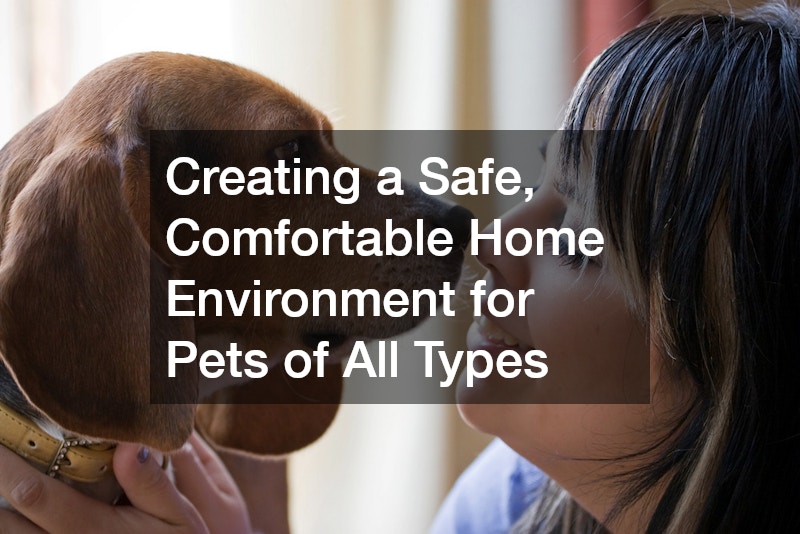
Creating a safe and comfortable home environment for pets requires thoughtful planning and ongoing awareness of their physical and emotional needs. Pets experience the home differently than humans, relying on their surroundings for security, routine, and stimulation. From sleeping areas and movement pathways to outdoor access and daily care routines, the home plays a central role in an animal’s overall well-being. When a living space is designed with pets in mind, it supports healthier behavior, reduces stress, and strengthens the bond between pets and their owners.
A truly pet-friendly home also considers how animals interact with space over time. As pets grow, age, or experience health changes, their needs evolve in ways that may require adjustments to layout, materials, or routines. Mobility challenges, sensory changes, and behavioral shifts can all influence how pets navigate their environment. Anticipating these changes allows homeowners to make proactive choices that support comfort and safety long term.
In addition to physical design, consistency and predictability play a key role in pet well-being. Animals thrive in environments where routines are clear and spaces feel familiar. A stable home setup helps reduce anxiety and supports emotional balance, particularly during transitions such as moves, schedule changes, or new additions to the household. By viewing the home as a shared environment shaped by the needs of its animal occupants, pet owners can create spaces that promote trust, security, and overall wellness across every stage of a pet’s life.
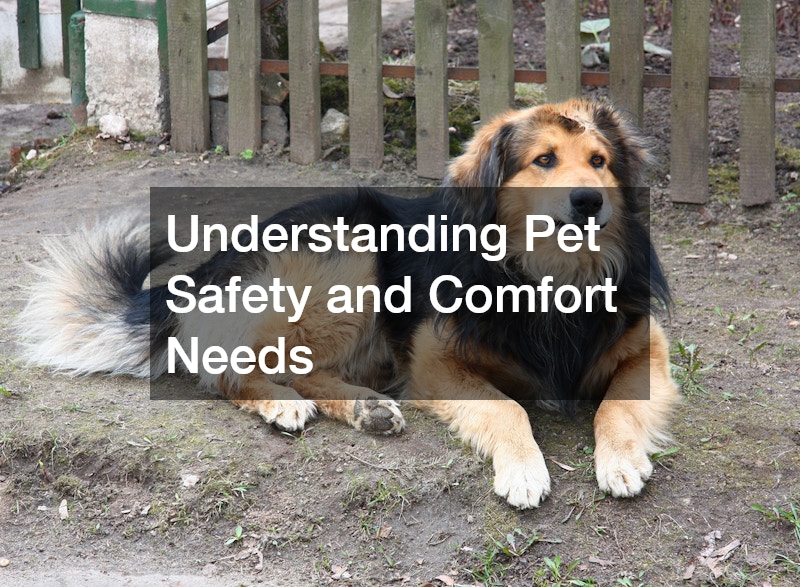
Understanding Pet Safety and Comfort Needs
Every pet has unique safety and comfort needs shaped by species, size, temperament, and daily routine. Understanding these needs begins with observing how pets interact with their environment. Factors such as noise levels, floor surfaces, temperature, and access to quiet spaces all influence how secure an animal feels at home. When pets feel safe, they are more likely to rest well, behave calmly, and engage positively with their surroundings.
On a more specific level, planning for times when pets cannot remain at home is also part of maintaining consistent care. Services like dog boarding provide structured environments that prioritize supervision, routine, and comfort during owner absences. Knowing that pets will receive proper attention outside the home helps reduce stress for both animals and owners. Preparing pets for these transitions through familiar routines and gradual exposure further supports emotional well-being. When safety and comfort are prioritized both at home and during temporary separations, pets are better equipped to adapt and thrive.
Preparing Your Home for Multiple Pet Types
Homes with multiple pets require additional consideration to support harmony and reduce conflict. Different animals may have varying needs for space, privacy, and interaction. Thoughtful layout planning helps minimize stress by providing separate feeding areas, resting zones, and escape spaces where pets can retreat when needed. Establishing clear routines also helps animals understand expectations and feel more secure within the shared environment.
More specifically, households that include both dogs and cats often benefit from planning accommodations that respect each species’ instincts. While dogs may thrive on social interaction and open space, cats often prefer elevated or enclosed areas where they can observe without interruption. In situations where owners travel or work long hours, services such as cat boarding offer structured care that meets feline-specific needs outside the home. Preparing the home with adaptability in mind supports smoother transitions and healthier relationships among pets. By addressing the unique needs of each animal, homeowners create a balanced environment where multiple pet types can coexist comfortably.
Creating Secure Indoor Living Spaces
A secure indoor environment helps pets feel calm, protected, and confident in their surroundings. Indoor safety starts with understanding how pets move through the home and where potential risks may exist. Slippery floors, sharp edges, exposed cords, and unstable furniture can pose hazards, especially for younger pets or aging animals. Creating designated resting areas, limiting access to unsafe rooms, and maintaining consistent layouts all contribute to a more predictable and comfortable environment. When pets understand where they can rest, eat, and play, they are less likely to experience anxiety or behavioral issues.
On a more specific level, sleeping areas deserve special attention since pets spend a significant portion of their day resting. Protecting bedding and furniture with a mattress protector helps maintain cleanliness while creating a hygienic surface that supports both pets and owners. This is especially helpful for pets that shed, experience accidents, or track in allergens. A clean and secure sleeping space promotes better rest and reduces odors and allergens throughout the home. By combining thoughtful layout choices with protective materials, homeowners can create indoor spaces that prioritize safety, cleanliness, and long-term comfort for pets.

Maintaining Clean and Healthy Environments
Cleanliness plays a vital role in maintaining a healthy home for pets and people alike. Pets can unintentionally introduce dirt, bacteria, and allergens into living spaces, making regular cleaning essential. Maintaining clean floors, air quality, and surfaces helps reduce the risk of illness and supports better respiratory health. A clean environment also discourages unwanted pests and creates a more pleasant atmosphere for everyone in the household.
More specifically, proactive pest control services help protect pets from exposure to insects and rodents that can carry disease or cause discomfort. Fleas, ticks, and other pests can quickly become a serious issue if left unaddressed. Preventative measures help reduce infestations while keeping pets safe from harmful chemicals when treatments are applied correctly. Regular inspections and maintenance support a healthier indoor environment and reduce the likelihood of recurring problems. When cleanliness and prevention work together, the home becomes a safer, more comfortable space where pets can thrive without unnecessary health risks.
Supporting Pets During Travel and Absences
Even the most comfortable home can’t always accommodate every situation, especially during travel, emergencies, or long work schedules. Preparing for these moments is an important part of responsible pet ownership. Pets benefit from routines and familiar care, so planning ahead helps reduce stress when owners are away. Clear instructions, emergency contacts, and familiarity with care options allow transitions to happen more smoothly and with less disruption.
On a more specific level, maintaining a relationship with trusted animal clinics supports continuity of care when pets are away from home or need medical attention. Clinics provide essential services such as vaccinations, checkups, and emergency treatment, helping pets remain healthy even during changes in routine. Keeping medical records updated and accessible allows caregivers to respond quickly if issues arise. Preparing pets for absences through familiar items, consistent feeding schedules, and gradual transitions can further ease anxiety. When travel planning includes both emotional comfort and medical readiness, pets are better supported and more likely to remain calm, healthy, and secure during time apart.
Designing Outdoor Areas for Animal Safety
Outdoor spaces provide valuable enrichment for pets, offering room to explore, exercise, and engage natural behaviors. Designing these areas with safety in mind helps prevent injuries while allowing animals to enjoy fresh air and movement. Factors such as terrain, shade, drainage, and visibility all influence how comfortable and secure pets feel outside. Well-planned outdoor environments also help reduce boredom and destructive behavior by providing healthy outlets for energy.
On a more specific level, properties that accommodate larger animals require additional planning. Facilities such as a horse riding arena must be designed to support safe movement, proper footing, and clear boundaries. Surface materials, fencing placement, and spacing all contribute to injury prevention and ease of use. Thoughtful design supports training, exercise, and daily routines while protecting animals from uneven ground or hazardous obstacles. When outdoor areas are planned intentionally, pets benefit from both freedom and structure in a secure setting.
Protecting Pets From Common Household Risks
Preventing accidents is a key part of maintaining a pet-safe home environment. Many household risks are easy to overlook, especially in outdoor or transitional areas. Pets may wander, dig, or attempt to escape if boundaries are unclear or poorly maintained. Addressing these risks early helps reduce the chance of injury, loss, or conflict with neighboring properties.
More specifically, working with a fence company helps create secure boundaries that keep pets safely contained. Proper fencing discourages wandering while allowing animals to enjoy outdoor time without constant supervision. Fence height, material, and placement should align with the size and behavior of the pets using the space. Secure fencing also helps prevent unwanted wildlife encounters and provides peace of mind for pet owners. By establishing clear, reliable boundaries, homeowners can create outdoor environments that support safety, independence, and daily activity.
Choosing Durable and Pet-Friendly Materials
Materials used throughout the home play a significant role in pet safety and durability. Pets can cause wear through scratching, chewing, or frequent movement, making it important to choose finishes that withstand daily use. Floors, trim, and entryways should be easy to clean and resistant to damage while remaining comfortable for animals. Durable materials help reduce maintenance and extend the lifespan of shared living spaces, creating a home that remains functional over time.
On a more practical level, proper door installation supports both safety and function in pet-friendly homes. Secure doors help control access between indoor and outdoor areas while preventing accidental escapes. Quality installation improves insulation, reduces drafts, and supports smooth operation even with frequent use. In addition, selecting finishes that resist moisture, stains, and impact helps protect high-traffic areas where pets spend the most time. Thoughtful material choices reduce ongoing repairs, improve cleanliness, and create a more resilient environment that supports both comfort and safety for pets and their owners alike.
Planning for Emergency and Medical Needs
Preparing for emergencies is an essential part of creating a safe home environment for pets. Unexpected situations such as injuries, illness, or natural disasters require quick decisions and clear plans. Having emergency supplies, accessible exits, and updated contact information helps reduce panic during stressful moments. Pets rely on their owners for guidance, so preparation plays a direct role in keeping them calm and protected.
On a more practical level, maintaining secure entry points supports emergency readiness. Timely door replacement can improve safety by correcting warped frames, damaged locks, or gaps that could allow pets to escape during emergencies. Secure doors also support better insulation and noise control, helping pets remain calmer during storms or high-stress situations. When emergency planning includes both medical readiness and physical home safety, pet owners are better equipped to respond effectively and protect their animals when it matters most.
Promoting Long-Term Pet Wellness at Home
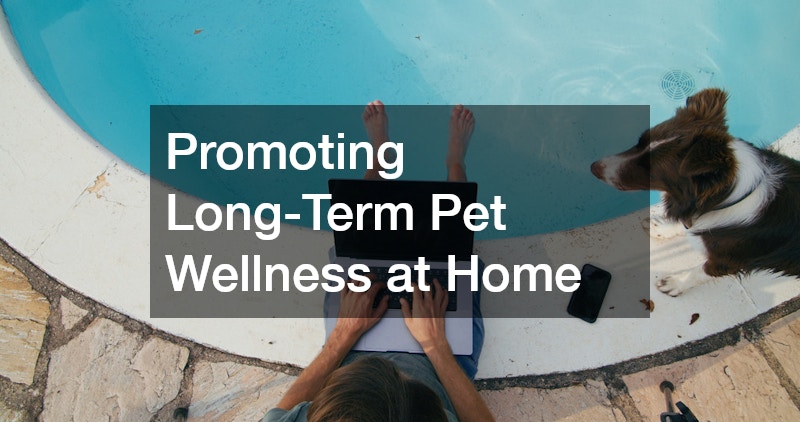
Long-term wellness for pets depends on consistent routines, safe environments, and opportunities for physical activity. Regular exercise supports healthy weight, mental stimulation, and emotional balance for animals of all sizes. Providing outlets for movement helps reduce behavioral issues and supports overall quality of life. Homes designed with wellness in mind allow pets to stay active without unnecessary risk.
More specifically, outdoor water features require careful planning to protect pets. Working with a swimming pool contractor helps create secure designs that minimize hazards while maintaining functionality. Features such as proper fencing, covers, and non-slip surfaces reduce the risk of accidents around pools. When safety measures are integrated into design, pets can enjoy outdoor environments without added danger. Supporting wellness means balancing enrichment with protection, creating spaces where pets can move freely while remaining safe.
Creating a safe and comfortable home environment for pets involves thoughtful planning, proactive maintenance, and an understanding of how animals interact with their surroundings. From indoor sleeping spaces to outdoor activity areas, each part of the home influences a pet’s physical health and emotional well-being. When safety and comfort are prioritized together, pets are more likely to feel secure, relaxed, and engaged in their daily routines.
A pet-friendly home also adapts over time. As pets age or household dynamics change, needs shift and environments must evolve accordingly. Making intentional choices, preparing for emergencies, and maintaining secure boundaries all contribute to long-term wellness. Small adjustments, when made consistently, can have a meaningful impact on quality of life. By approaching the home as a shared space designed for both humans and animals, pet owners create environments that support trust, comfort, and lasting companionship for years to come.